How Can Beet Powder Be Used In Natural Color And Sports Nutrition Product Development?
Sep 09, 2026
Beet Powder serves as a dual-function botanical ingredient that addresses two critical manufacturing demands: clean-label natural coloration and performance-enhancing sports nutrition formulations. Derived from Beta vulgaris root tubers, this ingredient delivers concentrated betalains for vibrant red pigmentation while providing dietary nitrates that support nitric oxide production, enhancing blood flow and athletic endurance. Its 80-100 mesh particle specification ensures optimal dissolution in beverages, supplements, and functional foods, making it an indispensable choice for manufacturers seeking scientifically validated, plant-based ingredients that align with consumer wellness trends and regulatory compliance requirements.
Understanding Beet Powder: Key Properties and Functional Benefits
Nutritional Profile and Active Compounds
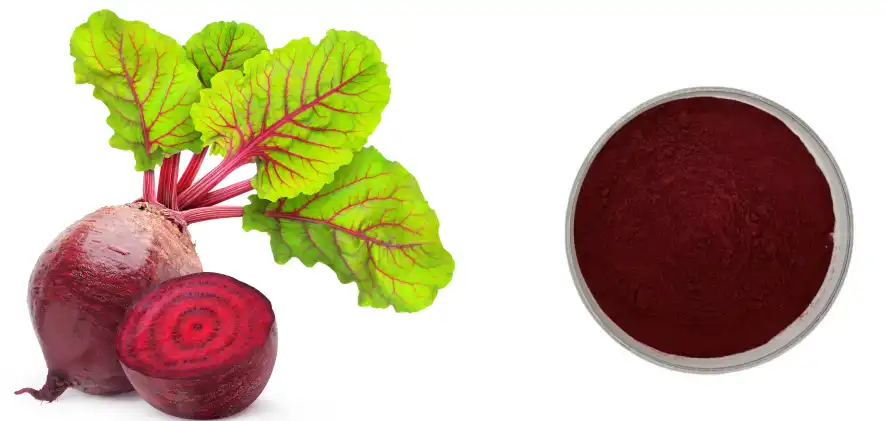
Fresh beets have a lot of nutrients that beet powder retains. It has betalains (betacyanins and betaxanthins), dietary nitrates, important minerals like magnesium and potassium, and dietary fiber. The betalains are strong antioxidants that have been shown to reduce inflammation. In the body, nitrates from food are changed into nitric oxide by enzymes. This biochemical pathway helps blood vessels get bigger, which brings more oxygen to tissues during exercise (Jones, 2014). The usual size range of 80 to 100 mesh makes sure that particles are spread out evenly, which has a direct effect on how well finished goods dissolve and are bioavailable.
Performance Advantages Over Alternative Beetroot Forms
There are a few technical differences between beet juice and dried forms. Because they contain a lot of water, juice concentrates need to be shipped in a cold chain and can be hard to formulate. Extracts might have consistent nitrate levels, but they don't always have the chemicals that work together as whole-root pills do. Our Beet Powder keeps the natural compound ratios while providing better shelf stability (24 months with proper storage), making inventory management easier and enabling a wide range of uses in dry-blend formulations. The fine powder dissolves completely in water, so there are no problems with sediment that come with larger grinds.
Dual Functionality: Colorant and Nutritional Enhancer
The betalain pigments that give it its characteristic red to deep purple color are used for two different purposes in product development. Because they are natural, they give products bright colors without adding any man-made chemicals, which is good for consumers who like clean labels. Additionally, these compounds increase the antioxidant capacity, which lets makers put items on the market that look good and work well. This two-in-one feature makes formulations simpler and easier to understand, and it helps meet multiple product development goals with just one ingredient addition.
Applications of Beet Powder in Sports Nutrition Product Development
Nitric Oxide Enhancement and Athletic Performance
A lot of research has shown that adding nitrates to your diet from beets makes exercise more effective and increases your endurance. Nitric oxide levels are best raised by eating 300–600 mg of nitrate, which is about 6–12 grams of high-quality Beet Powder, two to three hours before exercise (Lansley et al., 2011). This mechanism lowers the cost of oxygen during submaximal exercise and makes it take trained athletes longer to reach exhaustion. Professionally made Beet Powder has a standardized nitrate level that ensures stability from batch to batch, which is very important for supplement companies that make performance claims.
Formulation Strategies for Sports Supplements
When adding Beet Powder to sports nutrition items, there are a few basic things to keep in mind:
For pre-workout powders, mixing Beet Powder with ingredients that work well together, like citrulline, arginine, and B-vitamins, makes nitric oxide support that is stronger. Natural flavoring methods, such as berry, lemon, or tropical fruit concentrates, can be used to balance out the earthy taste. Based on the amount of nitrate you want to give and the size of the serving, the recommended inclusion rates are 5 to 15% of the total weight of the powder mix.
Bars and Bites for Energy: The powder mixes easily into bar mixtures, adding color and nutrition without changing the texture. When mixed with dates, nuts, and seed proteins, it gives you steady energy and helps your blood flow. Natural sugar should be taken into account by manufacturers when they make nutrition panels and glucose loads.
Ready-to-Mix Drinks: The fine 80-100 mesh size makes sure that the powder dissolves quickly in both warm and cold water, which is important for sports drinks that are meant to be easy to make. Because betalains are sensitive to pH, stability tests should check how well the color stays true across goal pH ranges and storage temperatures.
Real-World Application Success
Leading sports nutrition companies have successfully released pre-workout products that are based on beet for endurance athletes, bikers, and people who like functional fitness. Each serving of these foods usually has 5 to 10 grams of Beet Powder, which gives you about 250 to 500 mg of dietary nitrates. People who want plant-based, stimulant-free performance support have responded very well to the market. They make up a big part of the
Sep 09, 2026
Beet Powder serves as a dual-function botanical ingredient that addresses two critical manufacturing demands: clean-label natural coloration and performance-enhancing sports nutrition formulations. Derived from Beta vulgaris root tubers, this ingredient delivers concentrated betalains for vibrant red pigmentation while providing dietary nitrates that support nitric oxide production, enhancing blood flow and athletic endurance. Its 80-100 mesh particle specification ensures optimal dissolution in beverages, supplements, and functional foods, making it an indispensable choice for manufacturers seeking scientifically validated, plant-based ingredients that align with consumer wellness trends and regulatory compliance requirements. Fresh beets have a lot of nutrients that beet powder retains. It has betalains (betacyanins and betaxanthins), dietary nitrates, important minerals like magnesium and potassium, and dietary fiber. The betalains are strong antioxidants that have been shown to reduce inflammation. In the body, nitrates from food are changed into nitric oxide by enzymes. This biochemical pathway helps blood vessels get bigger, which brings more oxygen to tissues during exercise (Jones, 2014). The usual size range of 80 to 100 mesh makes sure that particles are spread out evenly, which has a direct effect on how well finished goods dissolve and are bioavailable. There are a few technical differences between beet juice and dried forms. Because they contain a lot of water, juice concentrates need to be shipped in a cold chain and can be hard to formulate. Extracts might have consistent nitrate levels, but they don't always have the chemicals that work together as whole-root pills do. Our Beet Powder keeps the natural compound ratios while providing better shelf stability (24 months with proper storage), making inventory management easier and enabling a wide range of uses in dry-blend formulations. The fine powder dissolves completely in water, so there are no problems with sediment that come with larger grinds. The betalain pigments that give it its characteristic red to deep purple color are used for two different purposes in product development. Because they are natural, they give products bright colors without adding any man-made chemicals, which is good for consumers who like clean labels. Additionally, these compounds increase the antioxidant capacity, which lets makers put items on the market that look good and work well. This two-in-one feature makes formulations simpler and easier to understand, and it helps meet multiple product development goals with just one ingredient addition. A lot of research has shown that adding nitrates to your diet from beets makes exercise more effective and increases your endurance. Nitric oxide levels are best raised by eating 300–600 mg of nitrate, which is about 6–12 grams of high-quality Beet Powder, two to three hours before exercise (Lansley et al., 2011). This mechanism lowers the cost of oxygen during submaximal exercise and makes it take trained athletes longer to reach exhaustion. Professionally made Beet Powder has a standardized nitrate level that ensures stability from batch to batch, which is very important for supplement companies that make performance claims. When adding Beet Powder to sports nutrition items, there are a few basic things to keep in mind: For pre-workout powders, mixing Beet Powder with ingredients that work well together, like citrulline, arginine, and B-vitamins, makes nitric oxide support that is stronger. Natural flavoring methods, such as berry, lemon, or tropical fruit concentrates, can be used to balance out the earthy taste. Based on the amount of nitrate you want to give and the size of the serving, the recommended inclusion rates are 5 to 15% of the total weight of the powder mix. Bars and Bites for Energy: The powder mixes easily into bar mixtures, adding color and nutrition without changing the texture. When mixed with dates, nuts, and seed proteins, it gives you steady energy and helps your blood flow. Natural sugar should be taken into account by manufacturers when they make nutrition panels and glucose loads. Ready-to-Mix Drinks: The fine 80-100 mesh size makes sure that the powder dissolves quickly in both warm and cold water, which is important for sports drinks that are meant to be easy to make. Because betalains are sensitive to pH, stability tests should check how well the color stays true across goal pH ranges and storage temperatures. Leading sports nutrition companies have successfully released pre-workout products that are based on beet for endurance athletes, bikers, and people who like functional fitness. Each serving of these foods usually has 5 to 10 grams of Beet Powder, which gives you about 250 to 500 mg of dietary nitrates. People who want plant-based, stimulant-free performance support have responded very well to the market. They make up a big part of the $15 billion sports nutrition market. Betalains give natural colors a reddish-purple intensity that is similar to manufactured ones. The shades change depending on the concentration and pH level of the surroundings. Unlike anthocyanins from other plants, betalains are pretty stable across pH ranges 3 to 7, which means they can be used in a wide range of food materials. The intensity of the red pigmentation stays the same in near-neutral applications like dairy alternatives, protein shakes, and bakery goods. This means that the pigmentation can be used in more situations than just acidic beverage systems. To get the best color performance, you need to know a few technical things. When processing, the temperature should stay below 60°C as much as possible, since long-term heating breaks down betalain structures. Light also changes the stability of pigments, so finished goods with beet colorants need to be packed in opaque or UV-protective materials. Ascorbic acid and other antioxidants can help sour drinks keep their flavor longer after they've been opened. It is easier to list "beetroot powder" or "vegetable powder for color" on ingredient panels because Beet Powder is considered a food ingredient instead of an additive in most places. This regulatory status backs up clean-label marketing tactics that buyers are asking for more and more. Our Beet Powder has many certifications, such as ISO 22000, HACCP, Kosher, and Halal. These make sure that it is legal in many different foreign markets and make it easier for regulators to approve new products. Beverages: Beet Powder is used to add natural pink to red color to plant-based milk replacements, probiotic drinks, and functional lemonades. It also adds nutritional value that backs up health claims on the front of the package. Confectionery: Beet Powder is added to gummies, hard candies, and chocolate by candy makers to make bright colors without using synthetic dyes. This appeals to parents who want cleaner products for their kids. Bakery: The powder can be mixed into cake mixes, cookie doughs, and frosting systems to give them a naturally red velvet look. Its natural sugar content also helps keep the moisture in. To choose the best Beet Powder, you need to carefully look at a number of factors. Food safety (ISO 22000, HACCP), quality management systems, and specialty certifications that match target markets should all be checked during the certification process. Traceability paperwork should list where the crops were grown, when they were harvested, and how they were processed. This will make the whole supply chain clear. Lab tests need to check for heavy metals (≤10 ppm), microbial levels (Total Plate Count <1000 cfu/g, Yeast & Mold <100 cfu/g), and the stability of the active chemical. Suppliers who send records of analysis with every batch show a commitment to quality that is necessary to keep products consistent. Reliable sellers offer a range of packaging choices (1 kg/bag, 5 kg/box, 25 kg/drum) that can be used for both small-scale testing and large-scale production. Delivery times have a direct effect on production schedules. Our in-stock inventory allows for delivery within one to three working days after payment, which keeps production going while reducing the costs of keeping inventory. Having warehouses in key locations like Europe and the US speeds up shipping for customers in those areas and lowers freight costs, all while supporting just-in-time manufacturing models. Spot pricing gives buyers more options, but long-term supply agreements that include volume commitments usually get better prices and faster delivery during busy harvest times. Cost modeling for new product development is more accurate when prices are clear and take into account things like processing requirements, organic certification premiums, and logistics. Suppliers who give free samples, technical support, and help with unique formulations show that they are committed to a partnership that goes beyond a transactional connection. This creates value through joint creation. Agricultural raw materials are naturally different, which makes it hard to standardize ingredients. Seasonal growing factors, the make-up of the land, and the choice of beet cultivar all affect the end powder's properties. Reliable providers use batch mixing procedures and analytical tests to make sure that all output lots meet the requirements. Purchasing teams should ask for retention samples and have third-party testing done on a regular basis to check the levels of active compounds and look for possible adulterants like artificial colorants or maltodextrin extenders that lower the nutritional value. The stability and performance of Beet Powder are directly affected by how it is stored. Due to its hygroscopic nature, the powder needs to be packed in a way that keeps moisture out. This is usually done with multiple-layer foil bags that are flushed with nitrogen to prevent rusting. To keep things from caking and breaking down, storage areas should keep the temperature below 25°C and the relative humidity below 60%. Our standards guarantee that this product will stay fresh for 24 months under these conditions, with only a 5% loss of nutritional value during storage. Betalain pigments are sensitive to the conditions under which they are processed, so formulators have to test their safety in all the possible storage situations they can think of. UV-protective packaging should be used for products that will be exposed to light, and higher inclusion rates may be needed for heat-processed applications to make up for the degradation caused by heat. Using buffering devices to change the pH can help certain product combinations keep their colors longer. Documenting these factors during development speeds up approval by regulators and avoids expensive re-formulation after launch. Beet Powder is a smart investment for companies that are making natural color solutions and sports nutrition goods that are backed by science. Its two functions meet different formulation goals and meet customer standards for clean labels as well as legal needs in foreign markets. To be successful, you need to work with suppliers who can show that they have quality certifications, can be relied on, and have the technical knowledge to help you come up with new products. As more performance research comes out and more people want products with clean labels, Beet Powder becomes an important ingredient for forward-thinking food, drink, and supplement companies that want to make real, useful products that health-conscious customers will love. Dietary nitrate intake of 300–600 mg has been shown to improve performance. This amount is usually reached by eating 6–12 grams of quality Beet Powder two to three hours before exercise (Lansley et al., 2011). When setting inclusion rates, product formulators should think about the overall formula and the size of each dose, balancing cost, taste, and effectiveness. Beet Powder has a longer shelf life than juice (24 months vs. weeks), is easier to ship because it doesn't need to be kept cold, and can be used in a lot of different dry-blend formulas. While juice is easy to use right away because it is a liquid, powder is better for most manufacturing applications because it is more concentrated and costs less to ship and store. For managing food safety, ISO 22000 and HACCP certifications are necessary. Kosher and Halal certifications are also needed to get into specialty markets. Organic approval (USDA, EU) sets a higher standard, while FDA registration shows agreement with US market rules. Additional quality assurance comes from certificates of analysis that prove heavy metal limits and microbial standards. Yanxi Herbs provides approved organic Beet Powder that is made to pharmaceutical-grade standards. Their reliable quality and quick service can help you reach your goals of developing new products. Our fully connected supply chain, from carefully managed farming to high-tech processing plants, ensures that Beet Powder providers serving markets around the world get stable active compound profiles and low prices. Our products are certified as ISO 22000, HACCP, Kosher, and Halal, which means they meet strict international standards for use in food, supplements, and cosmetics. We keep a ready-to-ship inventory that allows for delivery in one to three days, offer flexible packing ranging from 1 kg samples to 25 kg drums, and offer free technical advice for formulation optimization. Our experienced team at info@yanxiherbs.com is ready to help you succeed with high-quality botanical ingredients, clear quality paperwork, and a committed customer partnership, whether you're making performance supplements, natural food colorants, or functional drinks. 1. Jones, A. M. (2014). Dietary nitrate supplementation and exercise performance. Sports Medicine, 44(Suppl 1), 35-45. https://link.springer.com/article/10.1007/s40279-014-0149-y 2. Lansley, K. E., Winyard, P. G., Bailey, S. J., Vanhatalo, A., Wilkerson, D. P., Blackwell, J. R., ... & Jones, A. M. (2011). Acute dietary nitrate supplementation improves cycling time trial performance. Medicine and Science in Sports and Exercise, 43(6), 1125-1131. https://journals.lww.com/acsm-msse/Fulltext/2011/06000/Acute_Dietary_Nitrate_Supplementation_Improves.21.aspx 3. Clifford, T., Howatson, G., West, D. J., & Stevenson, E. J. (2015). The potential benefits of red beetroot supplementation in health and disease. Nutrients, 7(4), 2801-2822. https://www.mdpi.com/2072-6643/7/4/2801 4. Hobbs, D. A., Kaffa, N., George, T. W., Methven, L., & Lovegrove, J. A. (2012). Blood pressure-lowering effects of beetroot juice and novel beetroot-enriched bread products in normotensive male subjects. British Journal of Nutrition, 108(11), 2066-2074. https://www.cambridge.org/core/journals/british-journal-of-nutrition/article/blood-pressurelowering-effects-of-beetroot-juice-and-novel-beetrootenriched-bread-products-in-normotensive-male-subjects/6BB3D856F7A5D09F8C5E2E3F0D58A850 5. Delgado-Vargas, F., & Paredes-López, O. (2003). Natural colorants for food and nutraceutical uses. CRC Press. https://www.taylorfrancis.com/books/mono/10.1201/9781420031713/natural-colorants-food-nutraceutical-uses-francisco-delgado-vargas-octavio-paredes-l%C3%B3pez 6. Wruss, J., Waldschütz, D., Huemer, S., Uygun, P., Lanzerstorfer, P., Müller, U., ... & Weghuber, J. (2015). Compositional characteristics of commercial beetroot products and beetroot juice prepared from seven beetroot varieties grown in Upper Austria. Journal of Food Composition and Analysis, 42, 46-55. https://www.sciencedirect.com/science/article/abs/pii/S0889157515001118 Send Inquiry
How Can Beet Powder Be Used In Natural Color And Sports Nutrition Product Development?
Understanding Beet Powder: Key Properties and Functional Benefits
Nutritional Profile and Active Compounds
Performance Advantages Over Alternative Beetroot Forms
Dual Functionality: Colorant and Nutritional Enhancer
Applications of Beet Powder in Sports Nutrition Product Development
Nitric Oxide Enhancement and Athletic Performance
Formulation Strategies for Sports Supplements
Real-World Application Success
Using Beet Powder as a Natural Colorant in Food and Beverage Products
Betalain Pigment Chemistry and Color Performance
Formulation Best Practices and Stability Management
Regulatory Compliance and Clean-Label Positioning
Application Examples Across Product Categories
Procurement Considerations for Beet Powder in B2B Markets
Supplier Evaluation Criteria for Quality Assurance
Supply Chain Logistics and Inventory Management
Pricing Models and Long-Term Partnership Value
Challenges and Risk Management When Using Beet Powder in Product Development
Quality Consistency and Adulterant Detection
Shelf Life Optimization and Storage Protocols
Managing Color Stability in Finished Products
Conclusion
FAQ
What is the optimal beetroot powder dosage for sports nutrition applications?
How does beetroot powder compare to beetroot juice for product development?
What certifications ensure beetroot powder meets international regulatory standards?
Partner with Yanxi Herbs for Premium Beet Powder Supply
References

Related Industry Knowledge
_1787033972542.webp)
Using Beet Powder as a Natural Colorant in Food and Beverage Products
Betalain Pigment Chemistry and Color Performance
Betalains give natural colors a reddish-purple intensity that is similar to manufactured ones. The shades change depending on the concentration and pH level of the surroundings. Unlike anthocyanins from other plants, betalains are pretty stable across pH ranges 3 to 7, which means they can be used in a wide range of food materials. The intensity of the red pigmentation stays the same in near-neutral applications like dairy alternatives, protein shakes, and bakery goods. This means that the pigmentation can be used in more situations than just acidic beverage systems.
Formulation Best Practices and Stability Management
To get the best color performance, you need to know a few technical things. When processing, the temperature should stay below 60°C as much as possible, since long-term heating breaks down betalain structures. Light also changes the stability of pigments, so finished goods with beet colorants need to be packed in opaque or UV-protective materials. Ascorbic acid and other antioxidants can help sour drinks keep their flavor longer after they've been opened.
Regulatory Compliance and Clean-Label Positioning
It is easier to list "beetroot powder" or "vegetable powder for color" on ingredient panels because Beet Powder is considered a food ingredient instead of an additive in most places. This regulatory status backs up clean-label marketing tactics that buyers are asking for more and more. Our Beet Powder has many certifications, such as ISO 22000, HACCP, Kosher, and Halal. These make sure that it is legal in many different foreign markets and make it easier for regulators to approve new products.
Application Examples Across Product Categories
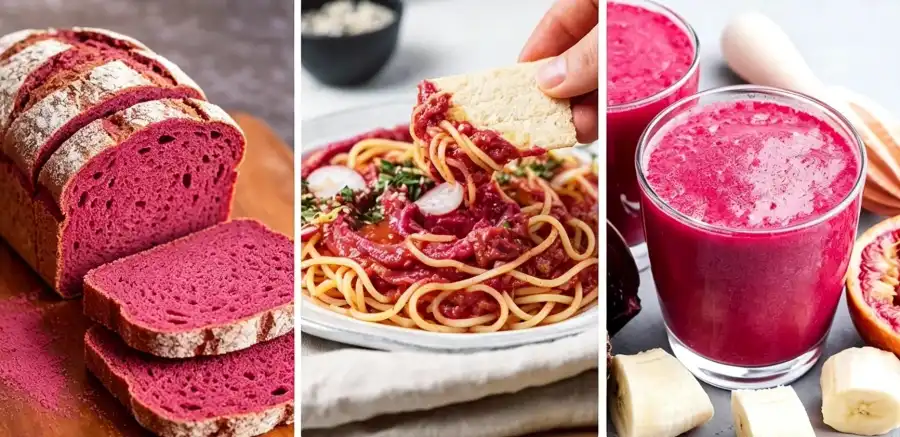
Beverages: Beet Powder is used to add natural pink to red color to plant-based milk replacements, probiotic drinks, and functional lemonades. It also adds nutritional value that backs up health claims on the front of the package.
Confectionery: Beet Powder is added to gummies, hard candies, and chocolate by candy makers to make bright colors without using synthetic dyes. This appeals to parents who want cleaner products for their kids.
Bakery: The powder can be mixed into cake mixes, cookie doughs, and frosting systems to give them a naturally red velvet look. Its natural sugar content also helps keep the moisture in.
Procurement Considerations for Beet Powder in B2B Markets
Supplier Evaluation Criteria for Quality Assurance
To choose the best Beet Powder, you need to carefully look at a number of factors. Food safety (ISO 22000, HACCP), quality management systems, and specialty certifications that match target markets should all be checked during the certification process. Traceability paperwork should list where the crops were grown, when they were harvested, and how they were processed. This will make the whole supply chain clear. Lab tests need to check for heavy metals (≤10 ppm), microbial levels (Total Plate Count <1000 cfu/g, Yeast & Mold <100 cfu/g), and the stability of the active chemical. Suppliers who send records of analysis with every batch show a commitment to quality that is necessary to keep products consistent.
Supply Chain Logistics and Inventory Management
Reliable sellers offer a range of packaging choices (1 kg/bag, 5 kg/box, 25 kg/drum) that can be used for both small-scale testing and large-scale production. Delivery times have a direct effect on production schedules. Our in-stock inventory allows for delivery within one to three working days after payment, which keeps production going while reducing the costs of keeping inventory. Having warehouses in key locations like Europe and the US speeds up shipping for customers in those areas and lowers freight costs, all while supporting just-in-time manufacturing models.
Pricing Models and Long-Term Partnership Value
Spot pricing gives buyers more options, but long-term supply agreements that include volume commitments usually get better prices and faster delivery during busy harvest times. Cost modeling for new product development is more accurate when prices are clear and take into account things like processing requirements, organic certification premiums, and logistics. Suppliers who give free samples, technical support, and help with unique formulations show that they are committed to a partnership that goes beyond a transactional connection. This creates value through joint creation.
Challenges and Risk Management When Using Beet Powder in Product Development
Quality Consistency and Adulterant Detection
Agricultural raw materials are naturally different, which makes it hard to standardize ingredients. Seasonal growing factors, the make-up of the land, and the choice of beet cultivar all affect the end powder's properties. Reliable providers use batch mixing procedures and analytical tests to make sure that all output lots meet the requirements. Purchasing teams should ask for retention samples and have third-party testing done on a regular basis to check the levels of active compounds and look for possible adulterants like artificial colorants or maltodextrin extenders that lower the nutritional value.
Shelf Life Optimization and Storage Protocols
The stability and performance of Beet Powder are directly affected by how it is stored. Due to its hygroscopic nature, the powder needs to be packed in a way that keeps moisture out. This is usually done with multiple-layer foil bags that are flushed with nitrogen to prevent rusting. To keep things from caking and breaking down, storage areas should keep the temperature below 25°C and the relative humidity below 60%. Our standards guarantee that this product will stay fresh for 24 months under these conditions, with only a 5% loss of nutritional value during storage.
Managing Color Stability in Finished Products
Betalain pigments are sensitive to the conditions under which they are processed, so formulators have to test their safety in all the possible storage situations they can think of. UV-protective packaging should be used for products that will be exposed to light, and higher inclusion rates may be needed for heat-processed applications to make up for the degradation caused by heat. Using buffering devices to change the pH can help certain product combinations keep their colors longer. Documenting these factors during development speeds up approval by regulators and avoids expensive re-formulation after launch.
Conclusion
Beet Powder is a smart investment for companies that are making natural color solutions and sports nutrition goods that are backed by science. Its two functions meet different formulation goals and meet customer standards for clean labels as well as legal needs in foreign markets. To be successful, you need to work with suppliers who can show that they have quality certifications, can be relied on, and have the technical knowledge to help you come up with new products. As more performance research comes out and more people want products with clean labels, Beet Powder becomes an important ingredient for forward-thinking food, drink, and supplement companies that want to make real, useful products that health-conscious customers will love.
FAQ
What is the optimal beetroot powder dosage for sports nutrition applications?
Dietary nitrate intake of 300–600 mg has been shown to improve performance. This amount is usually reached by eating 6–12 grams of quality Beet Powder two to three hours before exercise (Lansley et al., 2011). When setting inclusion rates, product formulators should think about the overall formula and the size of each dose, balancing cost, taste, and effectiveness.
How does beetroot powder compare to beetroot juice for product development?
Beet Powder has a longer shelf life than juice (24 months vs. weeks), is easier to ship because it doesn't need to be kept cold, and can be used in a lot of different dry-blend formulas. While juice is easy to use right away because it is a liquid, powder is better for most manufacturing applications because it is more concentrated and costs less to ship and store.
What certifications ensure beetroot powder meets international regulatory standards?
For managing food safety, ISO 22000 and HACCP certifications are necessary. Kosher and Halal certifications are also needed to get into specialty markets. Organic approval (USDA, EU) sets a higher standard, while FDA registration shows agreement with US market rules. Additional quality assurance comes from certificates of analysis that prove heavy metal limits and microbial standards.
Partner with Yanxi Herbs for Premium Beet Powder Supply
Yanxi Herbs provides approved organic Beet Powder that is made to pharmaceutical-grade standards. Their reliable quality and quick service can help you reach your goals of developing new products. Our fully connected supply chain, from carefully managed farming to high-tech processing plants, ensures that Beet Powder providers serving markets around the world get stable active compound profiles and low prices. Our products are certified as ISO 22000, HACCP, Kosher, and Halal, which means they meet strict international standards for use in food, supplements, and cosmetics. We keep a ready-to-ship inventory that allows for delivery in one to three days, offer flexible packing ranging from 1 kg samples to 25 kg drums, and offer free technical advice for formulation optimization. Our experienced team at info@yanxiherbs.com is ready to help you succeed with high-quality botanical ingredients, clear quality paperwork, and a committed customer partnership, whether you're making performance supplements, natural food colorants, or functional drinks.
References
1. Jones, A. M. (2014). Dietary nitrate supplementation and exercise performance. Sports Medicine, 44(Suppl 1), 35-45. https://link.springer.com/article/10.1007/s40279-014-0149-y
2. Lansley, K. E., Winyard, P. G., Bailey, S. J., Vanhatalo, A., Wilkerson, D. P., Blackwell, J. R., ... & Jones, A. M. (2011). Acute dietary nitrate supplementation improves cycling time trial performance. Medicine and Science in Sports and Exercise, 43(6), 1125-1131. https://journals.lww.com/acsm-msse/Fulltext/2011/06000/Acute_Dietary_Nitrate_Supplementation_Improves.21.aspx
3. Clifford, T., Howatson, G., West, D. J., & Stevenson, E. J. (2015). The potential benefits of red beetroot supplementation in health and disease. Nutrients, 7(4), 2801-2822. https://www.mdpi.com/2072-6643/7/4/2801
4. Hobbs, D. A., Kaffa, N., George, T. W., Methven, L., & Lovegrove, J. A. (2012). Blood pressure-lowering effects of beetroot juice and novel beetroot-enriched bread products in normotensive male subjects. British Journal of Nutrition, 108(11), 2066-2074. https://www.cambridge.org/core/journals/british-journal-of-nutrition/article/blood-pressurelowering-effects-of-beetroot-juice-and-novel-beetrootenriched-bread-products-in-normotensive-male-subjects/6BB3D856F7A5D09F8C5E2E3F0D58A850
5. Delgado-Vargas, F., & Paredes-López, O. (2003). Natural colorants for food and nutraceutical uses. CRC Press. https://www.taylorfrancis.com/books/mono/10.1201/9781420031713/natural-colorants-food-nutraceutical-uses-francisco-delgado-vargas-octavio-paredes-l%C3%B3pez
6. Wruss, J., Waldschütz, D., Huemer, S., Uygun, P., Lanzerstorfer, P., Müller, U., ... & Weghuber, J. (2015). Compositional characteristics of commercial beetroot products and beetroot juice prepared from seven beetroot varieties grown in Upper Austria. Journal of Food Composition and Analysis, 42, 46-55. https://www.sciencedirect.com/science/article/abs/pii/S0889157515001118
Send Inquiry
Related Industry Knowledge
- High Purity Butterfly Pea Flower Extract Powder For Functional Beverage Production
- What Factors Matter When Purchasing Astaxanthin Powder Bulk For Large-Scale Production?
- Chlorophyll Powder Offers Stable Plant-Based Coloring Options For Food And Beverage Manufacturers
- Freeze-Dried Lemon Powder Helps Brands Develop Natural Citrus Products with Extended Storage Flexibility