
Chlorophyll Powder Offers Stable Plant-Based Coloring Options For Food And Beverage Manufacturers
Sep 08, 2026
Chlorophyll Powder has emerged as a transformative natural colorant for food and beverage manufacturers seeking stable, plant-based solutions. Sourced primarily from alfalfa, this concentrated botanical extract offers exceptional color retention across diverse production environments, resisting degradation from heat, light, and pH fluctuations that challenge other natural dyes. As clean-label demands intensify and consumers prioritize transparency, alfalfa-derived chlorophyll delivers both visual appeal and functional credibility, positioning manufacturers to meet evolving market expectations while maintaining operational consistency.
Understanding Chlorophyll Powder: Properties and Advantages for Industry Use
The world of botanical colorants has changed a lot as makers try to meet both customer demand and formulation reliability. A big step forward from earlier colorants that didn't work well in industrial processing conditions is natural green pigments that come from alfalfa.
Chemical Stability Across Manufacturing Conditions
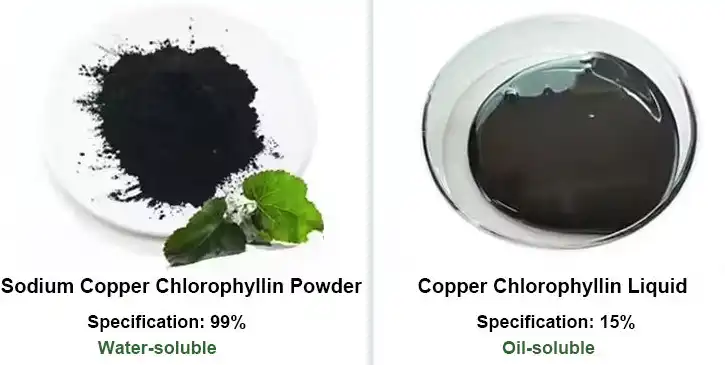
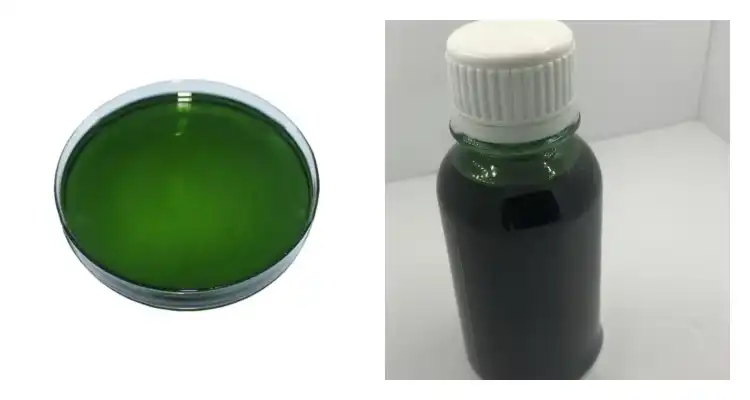
Even when heated up to 100°C in neutral pH environments, our chlorophyll extract keeps its bright green color. This is a very important property for pasteurization and retort processing[1]. The porphyrin ring structure of these plant pigments gives molecules strength that liquid alternatives can't match. With concentration ranges from 15% to 95%, manufacturers can precisely control the intensity of the color without affecting the consistency of the batch. Fine dark green powder goes through 80-mesh sieves without any problems. This makes sure that it mixes evenly in liquids and doesn't settle, which can happen with finer powders.
Nutritional and Functional Value Beyond Color
This botanical ingredient does more than just improve the look of finished products; it also adds measurable nutritional benefits. The natural magnesium chlorophyllin content supports antioxidant activity, which lets brands back up health claims that customers who care about their health will like. When added to functional drinks and enriched dairy products, this ingredient helps brands stand out in the market, especially when paired with "clean label" claims. It can be used for more than just coloring because it has less than 5 percent ash and less than 10 parts per million of heavy metals. These are strict quality standards needed for nutritional uses.
Regulatory Compliance for Global Distribution
Full certification, such as ISO 22000, HACCP, FDA registration, Kosher, and Halal approval, makes it possible to easily join foreign supply chains. These qualifications address the main concerns of quality managers who have to deal with complicated rules in both North American and European markets. If stored properly, the 24-month shelf life lowers the risk of running out of stock and helps with long-term planning for production. The strict quality control measures that protect brand identity and customer safety are shown by microbiological specifications like Total Plate Count below 1000 cfu/g and Yeast & Mold under 100 cfu/g.
Comparing Chlorophyll Powder with Alternative Natural Colorants and Ingredients
Before making a purchase decision, you need to know how well different natural colorants work in real-world manufacturing conditions and under the scrutiny of consumers.
Performance Advantages Over Spirulina and Wheatgrass
Spirulina extract has a blue-green color that works well in some situations, but it is not thermally stable enough for hot-fill beverage lines or baked goods that will be heated for a long time, unlike Chlorophyll Powder. The nutritional value of wheatgrass powder is high, but it has a strong grassy taste that makes it hard to use in delicate candy recipes. Alfalfa-based dyes give colors more brightness without changing the taste, so they are perfect for uses where neutral taste is just as important as good looks. Because sodium copper chlorophyllin derivatives are water-soluble, they dissolve more quickly in cold processing. This cuts down on mixing time and energy use during production runs.
Organic Certification and Purity Considerations
Choosing between standard and organic grades has a direct effect on what is said on the label and how people think about the product. Organic standards mean higher prices, but they also give you access to health-focused shopping outlets and distribution networks that are becoming more important for setting your business apart. Purity levels, which are found by spectrophotometric tests that prove a total chlorophyllin content above 95%, tell us how much to use and how much it costs per application. Clean-label standards are important to procurement managers when they choose suppliers because they make sure that products don't still have solvents like acetone or hexane that were used during extraction. Allergen statements that prove the lack of gluten and soy meet the safety standards for formulations for companies that serve sensitive groups.
pH Stability and Application Range
Understanding how pH works can help you avoid costly delays in reformulating. Because it stays stable best between pH 7.0 and 11.0, the color can be used in both alkaline beverage systems and neutral dairy matrices. In acidic environments below pH 7.0, colors may change to brownish-yellow shades, which may need changes to the formulation or the use of microencapsulation technologies. This technical factor has a direct effect on the time it takes to build a product and the tests that R&D teams do to make sure that ingredients work well together before going into mass production.
Optimizing Procurement of Chlorophyll Powder for Food & Beverage Manufacturing
Cost concerns should be balanced with the need for supply chain reliability and quality assurance in good sourcing strategies.
Supplier Evaluation and Quality Control Metrics
A strict evaluation of a supplier starts with checking the supplier's certification and includes documentation of all traces, all the way back to the source of the raw materials. ICP-MS analysis should be part of analytical testing protocols to make sure that the amount of free copper in a sample is less than 200 ppm. This will stop worries about metal toxicity in finished products. Specifications for moisture content (Loss on Drying ≤5%) make sure that powder can flow and keep it from sticking while it is being stored and handled. Standardized absorbance ratios at 405nm and 630nm are used to measure batch-to-batch color uniformity. This makes sure that performance is consistent across production rounds. Leading sellers include Certificates of Analysis with every package. These show that heavy metals like Pb, As, Hg, and Cd have been screened for and that pathogenic bacteria like E. Salmonella and E. coli.[3]
By checking these quality parameters, manufacturing operations are kept from being interrupted by changes in the ingredients. When suppliers offer free samples, customers can test the products' compatibility before placing large orders. This lowers the risk of formulation errors and speeds up the product development process.
Bulk Purchasing and Supply Chain Strategies
By committing to volumes of Chlorophyll Powder ranging from 25 kg drums to multi-ton containers, you can get big price breaks and make sure you have long-term access to the supply chain. Different output sizes, from small pilot runs to large-scale commercial production, can be accommodated by different types of packaging, such as 1 kg bags, 5 kg boxes, and 25 kg drums. When you combine wholesale price models with agreed upon shipping dates, you can keep input costs stable and make accurate financial predictions. Manufacturers benefit when sellers keep stock on hand and send within one to three business days of receiving payment. This keeps production delays from lacking ingredients to a minimum. Local warehousing and global shipping capabilities in the US and Europe cut down on lead times and freight costs, which is especially helpful for just-in-time manufacturing.
Strategic Supplier Partnership Development
In addition to transactional buying, building joint relationships with experienced botanical ingredient makers gives you an edge over your competitors. Suppliers who offer custom formulation support and application guidance shorten the time it takes to come up with new product lines. Having technical knowledge about how to optimize dose and suggest processing parameters keeps you from having to use expensive trial-and-error methods during the scale-up stages. Flexible minimum order amounts make it easier for new brands to test the market before going full-on commercial, which lowers the barriers to entry for specialty product categories.
Application Guidance: How to Use Chlorophyll Powder Effectively in Food and Beverage Products?
To get the most out of colorants, you need to know how to handle them properly and how much to use in different types of products.
Dosage Recommendations and Mixing Protocols
For beverage uses, a concentration of 0.01 to 0.05% (100 to 500 mg per liter) is common, but it depends on the color intensity and background matrix composition that is needed. To get bright colors that can be seen through solid bases, dairy products and yogurts need slightly higher inclusion rates, between 0.05% and 0.1%. For candy uses, it's important to keep an eye on the temperature during absorption so that the color doesn't lose its stability after being exposed to temperatures above 100°C for a long time. The order in which you mix things is important. For example, mixing the powder with small amounts of water or glycerin before adding it to the main ingredients makes sure that it is evenly distributed and stops spots of high concentration that look bad.
Case Studies in Commercial Applications
When a well-known beverage company changed the recipe for an energy drink line, they used alfalfa-derived chlorophyll instead of synthetic Blue 1 and Yellow 5. This met clean label requirements and kept the drink's signature green look. Tests of consumer acceptance showed that there was no major change in buy intent, which proved that the switch was correct. A European dairy company put the colorant in a probiotic yogurt that was aimed at people who are interested in health and fitness. They used the product's good looks and the fact that the ingredient is linked to cleansing benefits in their marketing. Bakery uses in matcha-flavored cookies showed great heat stability, with baked goods keeping their color intensity throughout the production process without needing extra to make up for processing losses[4].
Safety Data and Consumer Acceptance
The FDA and EFSA's approvals for Chlorophyll Powder give people peace of mind about the safety of long-term use, easing the worries of quality assurance teams and end users. The copper-bound porphyrin structure is a steady complex instead of a free metal. This makes it different from accessible copper sources and explains why it is known to be safe. When used in the suggested dose amounts, side effects are still minimal, and standard versions don't cause worries about allergens. Consumers want clear information about where botanicals come from and how they are made, which supports premium positioning and brand loyalty in competitive markets.
Strategic Benefits of Choosing Chlorophyll Powder for Sustainable and Market-Responsive Product Lines
For long-term market positioning, you need factors that work with changing customer values and rules.
Clean-Label Alignment and Sustainability Claims
Plant-based colorants directly support environmental stories that are becoming more and more important for brands to stand out. When compared to making synthetic dyes, growing alfalfa needs a lot less water. This makes environmental impact statements stronger in corporate responsibility reports. Clean-label claims attract people who care about their health and are willing to pay more for clear ingredient lists that don't contain any artificial ingredients. This market group keeps growing because younger people care more about health benefits and buying from companies that do things in an ethical way. This creates a steady need for natural options that meet both performance and moral requirements[5].
Building Brand Trust Through Verified Quality
Third-party approvals, such as organic, GMP, and non-GMO proof, give customers more faith in the product and make it easier for retailers to work together. Retailers are under more and more pressure to choose products that reflect what customers want, so they actively look for suppliers who are committed to quality and honesty. Traceability paperwork that covers farming practices and extraction methods sets expensive products apart in crowded categories where authenticity is what buyers look for. Brands that use verified botanical sourcing in their marketing communications see higher levels of customer engagement and lower price sensitivity compared to generic alternatives.
Future Innovation and Market Opportunities
Upcoming technologies in microencapsulation and stability promise better performance, opening up new product categories that were hard to use before. New ways to make functional foods and nutraceuticals are possible thanks to research into multifunctional colorants that can do more than one thing. As the market moves toward personalized nutrition and targeted wellness solutions, natural botanical extracts are in a good position because people are looking for ingredients with well-known names that they think are good for them. When companies invest in natural colorant knowledge now, they build technical skills and relationships with suppliers that give them a competitive edge as regulations on manufactured options get tougher around the world[6].
Conclusion
Natural colorants derived from alfalfa like Chlorophyll Powder have been shown to help producers balance customer needs, regulatory requirements, and business efficiency. These botanical extracts meet important procurement priorities like quality consistency, supply reliability, and market responsiveness thanks to their technical stability, nutritional benefits, and clean label credentials. As the food and drink industry moves toward more openness and sustainability, manufacturers can take advantage of new opportunities while lowering their risks across global markets by working with certified suppliers who offer full technical support and flexible customization.
FAQ
How does chlorophyll powder maintain color stability during high-temperature processing?
The pigment's molecular structure, especially when it is made as sodium copper chlorophyllin, makes it very resistant to heat up to 100°C in neutral pH environments. Copper replacing magnesium in the porphyrin ring makes it more stable than natural chlorophyll, so it doesn't break down as quickly as raw plant products do. Controlling the pH of the formulation correctly and limiting the time it is exposed to high temperatures are two more ways to protect the color integrity during pasteurization and baking.
What differentiates various concentration specifications like 15% versus 95%?
Concentration measurements tell you how much active chlorophyllin is in the powder. Powders with higher percentages need smaller amounts to have the same color strength. The 15% standard is good for situations where higher inclusion rates don't change the texture or cost-effectiveness. On the other hand, 95% concentrates are good for situations where ingredients are limited or where room is an issue in complicated recipes. When concentration differences are taken into account, both standards give the same hue traits. This gives formulators options based on the needs of the product.
Can chlorophyll powder replace synthetic colorants in existing formulations?
Whether or not a replacement is possible depends on the pH of the product matrix, the processing conditions, and the color requirements. It is possible for many beverage and dairy applications to switch from neutral to alkaline systems with only minor changes to the formulation. To keep the color stable, acidic goods with a pH below 7.0 may need pH balancing or microencapsulation. By using free samples in small-scale tests, R&D teams can confirm performance before committing to full reformulation. This lowers technical risk and speeds up the time it takes to switch to a clean label.
Partner with Yanxi Herbs for Premium Chlorophyll Powder Supply
Manufacturers looking for a trustworthy Chlorophyll Powder supplier with a history of exporting will find that Yanxi Herbs has a wide range of solutions backed by more than ten years of experience working with botanical ingredients. Our natural colorant comes from alfalfa and has been fully approved by ISO 22000, HACCP, the FDA, and as Kosher and Halal. It meets the strict needs of food, drink, and supplement makers in over 100 countries. Our ready-to-ship items can be delivered in one to three days, and we offer free samples so that you can see if they work with your needs before you commit to buying in bulk. Our flexible packing choices (1 kg, 5 kg, and 25 kg) and custom formulation support make it easy to integrate into your production process. Our US-based warehouses also make sure that you always have supplies. Email our team at info@yanxiherbs.com to talk about your specific needs and ask for technical documentation to help with your product development.
References
1. Food and Agriculture Organization. (2021). Natural Food Colours: Science and Technology. FAO Food and Nutrition Paper. Available at: https://www.fao.org/food-safety/en/
2. European Food Safety Authority. (2020). Re-evaluation of chlorophylls and chlorophyllins (E 140 and E 141) as food additives. EFSA Journal 18(3):6038. Available at: https://www.efsa.europa.eu/en/efsajournal/pub/6038
3. US Food and Drug Administration. (2022). Color Additives Permitted for Use in Food. FDA Guidance Documents. Available at: https://www.fda.gov/food/food-ingredients-packaging/color-additives
4. Journal of Food Science. (2019). Stability of natural colorants in food systems: Recent advances and challenges. Institute of Food Technologists. Available at: https://ift.onlinelibrary.wiley.com/journal/17503841
5. Mordor Intelligence. (2023). Natural Food Colors Market - Growth, Trends, and Forecasts (2023-2028). Industry Analysis Report. Available at: https://www.mordorintelligence.com/industry-reports/natural-food-colors-market
6. Nutraceuticals World. (2022). Clean Label Trends Driving Natural Ingredient Innovation. Rodman Media. Available at: https://www.nutraceuticalsworld.com/issues/2022-01-01/view_features/clean-label-trends-2022

Send Inquiry

Related Industry Knowledge
- Bulk Phycocyanin Powder Supports Stable Natural Blue Coloring For Food And Beverage Production
- How Does Freeze-dried Dragon Fruit Powder Improve Natural Color In Food Applications?
- How Can Purple Yam Powder Enhance Color and Texture in Food Product Development?
- Butterfly Pea Flower Powder Delivers Plant-Based Blue Color For Beverage And Food Innovation
_1787033972542.webp)