
Bulk Phycocyanin Powder Supports Stable Natural Blue Coloring For Food And Beverage Production
Aug 11, 2026
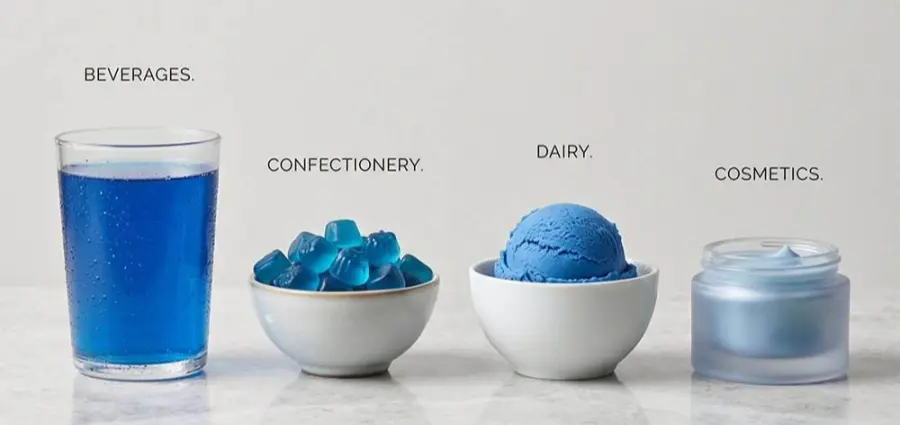
Bulk Phycocyanin Powder is transforming the natural colorant landscape by offering manufacturers a dependable blue pigment extracted from spirulina that maintains exceptional stability across diverse food and beverage applications. This vibrant cobalt-blue ingredient addresses the growing consumer demand for clean-label alternatives to synthetic dyes while providing antioxidant benefits. With standardized specifications ranging from E3 to E25, this water-soluble protein-pigment complex delivers consistent coloring performance throughout production cycles, making it an ideal choice for beverage brands, confectionery manufacturers, and functional food companies seeking both aesthetic appeal and nutritional integrity in their formulations.
What is Bulk Phycocyanin Powder and Why It Matters in Food & Beverage Coloring
Phycocyanin is a naturally occurring biliprotein complex in Arthrospira platensis that absorbs light. Manufacturers separate this pigment from the whole spirulina plant using special water-based methods that get rid of chlorophyll and other parts that add to unpleasant sea tastes. The fine blue powder that is made has phycocyanobilin as its active chromophore. It gives the color bright azure shades without the fishy taste that comes from eating raw spirulina. With this improved extraction method, a high-quality ingredient is made that can be used in situations where both color intensity and flavor neutrality are important. The spectrophotometric color value recorded at 618nm wavelength gives producers accurate quality signs that make sure consistency from batch to batch, which is important for mass production.
Why Clean-Label Manufacturers Choose Natural Blue Alternatives
Synthetic dyes like Brilliant Blue FCF are getting more attention from regulators and less acceptance from consumers around the world. Natural food colorants that come from plants are in line with clean-label campaigns that appeal to health-conscious shoppers. Bulk Phycocyanin Powder responds to this change in the market by giving a product drawn from nature that meets strict food safety standards and has extra functional benefits. This spirulina-based pigment is very useful for companies that are changing the formulas of their products to get rid of artificial ingredients because it meets both regulatory requirements and consumer expectations without lowering the products' visual appeal.
Quality Benchmarks and Certification Standards
To do professional procurement, you need to know the key quality factors that set top providers apart. A purity ratio (A618/A280) greater than 2.5 means that the protein is more refined in high-grade Bulk Phycocyanin Powder. The particle size requirement of 100% passing through an 80-mesh sieve makes sure that the particles are spread out evenly in water-based systems. Food safety is guaranteed by strict microbe limits, such as an overall plate count of less than 1000 cfu/g and a yeast/mold count of less than 100 cfu/g. International guidelines for food-grade ingredients say that heavy metal level must be kept at or below 10 ppm. Keeping the moisture level at 5% or less stops clumping and makes the product last longer. Reputable makers have certificates like ISO 22000, HACCP, FDA registration, Kosher, and Halal. These give procurement teams written proof that the products are made well and follow all the rules in many markets.
How Bulk Phycocyanin Powder Supports Stable Natural Blue Coloring
Phycocyanin is very stable between pH levels 5.0 and 7.5, which means it can be used in most drinks and dairy products. People who make plant-based drinks, functional waters, and yogurt options find this trait especially useful because it makes it easier to keep the color uniform over time. When added after heat treatment, the pigment can handle moderate pasteurization temperatures. This keeps the color intensity while still meeting food safety standards. In candy making, phycocyanin keeps the color of both hard sweets and soft chews bright as long as the processing conditions are right. The protein structure keeps the chromophore from breaking down, which is different from some anthocyanin-based colorants that fade quickly in the same conditions.
Antioxidant Properties Contributing to Product Longevity
Aside from coloring, phycocyanin's strong antioxidant properties make products last longer because they last longer. The ability to get rid of free radicals helps protect mixtures that have oxidation-sensitive ingredients, like natural tastes or omega-3 fatty acids. When it comes to functional beverages, this dual usefulness lets makers sell both their good looks and their health benefits. Studies have shown that phycocyanin can eliminate reactive oxygen species. This helps keep the formula stable and may also help the defense system. As companies look for multifunctional ingredients that make formulations easier while still giving customers what they want, this trait becomes more valuable.
Real-World Performance Across Application Categories
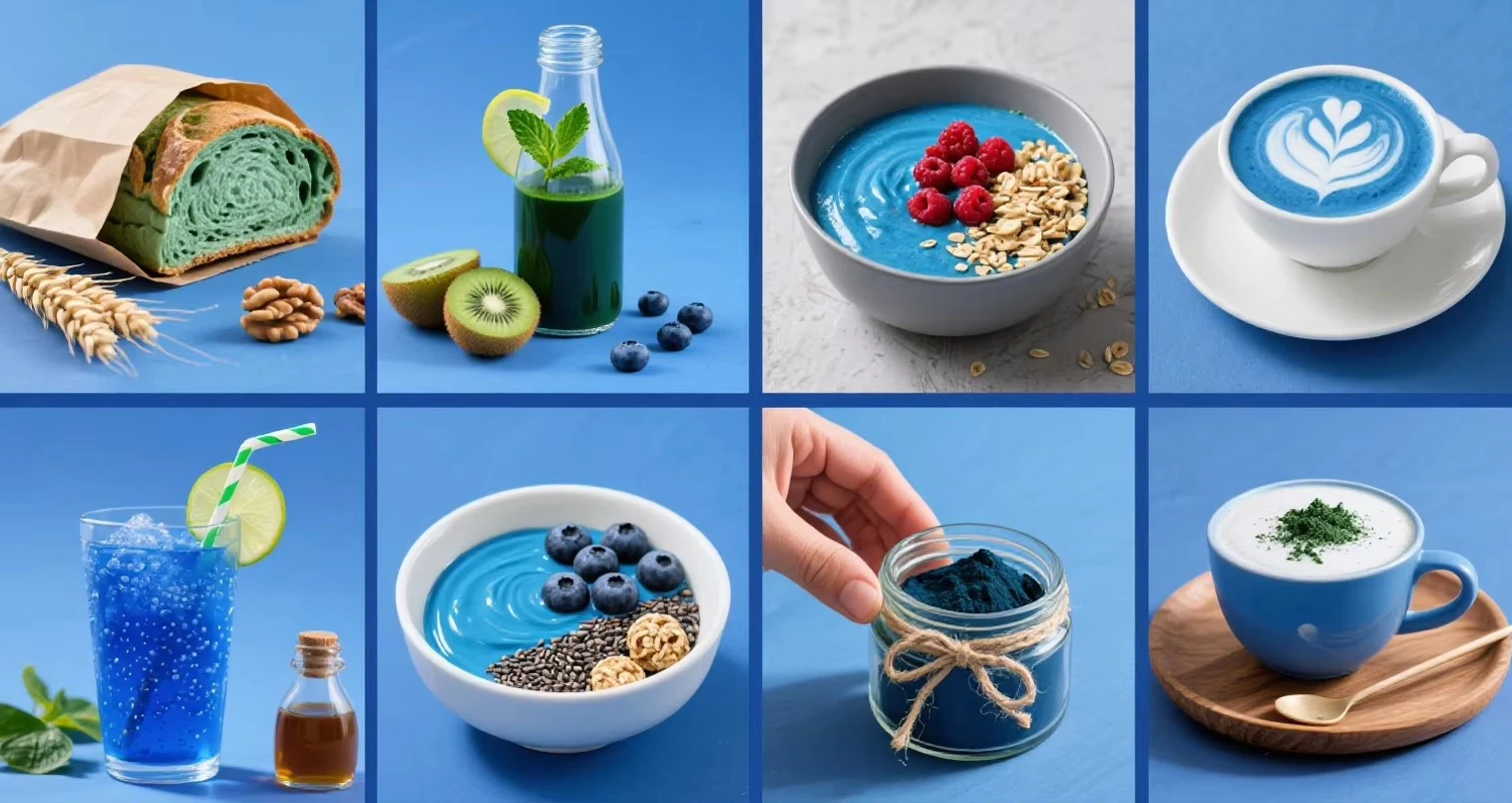
Manufacturers of drinks say that cold-pressed juices, smoothies, and sports drinks all have consistent color performance when the Bulk Phycocyanin Powder specs meet the needs of the application. Dairy and plant-based alternatives give frozen desserts nice blue tones, and the fact that they dissolve in water makes sure that the colors are spread evenly throughout ice cream bases. For example, the color stays stable while hard sweets and marshmallows are cooking and cooling, which is useful for confectionery. Nutraceutical companies use phycocyanin in antioxidant supplements and superfood blends because it gives the products color and serves a purpose. When you buy quality-certified materials from reputable sellers, these different uses show how flexible the ingredient is across temperature ranges, processing methods, and product matrices.
Natural Alternatives Comparison
Standard spirulina powder only has 8–15% phycocyanin and chlorophyll, which gives it greenish-blue tones and strong sea tastes that make it less useful in some situations. Purified phycocyanin concentrates have a pigment content of 15–25% (E18–E25 specifications) and few off-flavors, so they can be used in delicate products like high-end drinks and sweets. Another natural choice is gardenia blue extract, which usually gives off grayish-teal colors instead of pure cobalt ones. The butterfly pea flower extract gives vivid blues, but it is very sensitive to pH, turning purple when it's acidic. Because it is a pure blue colorant, doesn't change the taste of food, and has useful benefits, Bulk Phycocyanin Powder is the best choice for companies that want to make their products stand out in the market.
Synthetic Dye Considerations
Brilliant Blue FCF and other similar synthetic colorants are cheaper and more stable, but they are being regulated more and more and consumers don't like them. Many foreign markets now need special labels for synthetic dyes, which could turn off buyers who care about their health. Because artificial colorants may cause allergies and hyperactivity, many well-known brands have changed their recipes to use natural alternatives. Synthetic options offer reliable performance at lower costs, but the market strongly prefers natural options that fit with the "clean label" messaging. In addition to material prices, companies that look at the total cost of ownership must also think about how the brand is seen and how it might affect sales.
Certification Verification and Supplier Credibility
Priority suppliers have a number of widely known certificates that show they are good at making things and following the rules. ISO 22000 approval proves that a food safety management method is being used. Hazard analysis procedures that protect the integrity of the product are shown in HACCP documents. Kosher and Halal certifications make it easier for products that are aimed at certain groups of people to reach new customers. Registration with the FDA gives suppliers who serve North American markets even more peace of mind. Third-party testing results from SGS are an independent way to check that quality claims are true. Suppliers who have been making botanical ingredients for 10 years or more usually have more reliable supply chains and technical support than suppliers who are new to the market. Requesting copies of certificates and auditing suppliers when it's possible gives buying teams faith in the long-term viability of Bulk Phycocyanin Powder partnerships.
Application Dosage Recommendations
For drinks, you might need between 0.1% and 0.5% Bulk Phycocyanin Powder to get the blue color you want, but this depends on how clear the drink is and what other colors are in it. 0.2% to 0.8% is usually used for bright coloring in opaque matrices in dairy and frozen dessert recipes. 0.3 to 1.0% may be added to confectionery, depending on the final moisture content and the way the product was processed. When sold for both color and health benefits, nutraceutical capsules and tablets usually have 100 to 500 mg per serving. These dosage amounts are just starting points. The final optimization will rely on the needs of the formulation, the color strength that is wanted, and the cost goals. Support from expert sources speeds up formulation development by giving application-specific advice based on a lot of testing across all product categories.
Conclusion
As companies try to meet the demand for clean labels, natural blue colorants have gone from being niche ingredients to common solutions. Bulk Phycocyanin Powder made from spirulina has the stability, strength, and nutritional benefits needed to make food and drinks on a large scale. This ingredient is very appealing to brands that want to stand out from the competition by using natural ingredients. It comes from a trusted source, has all the necessary approvals, and has been used successfully in the past. Partnering with experienced suppliers who offer technical support, consistent quality, and quick logistics is key to successful procurement. As more and more people want ingredient labels to be clear, investing in natural colorant options helps companies stay relevant in the market and build brand trust.
FAQ
Why choose bulk purchasing over small-pack alternatives?
By buying in bulk, you can save a lot of money because of big discounts, and you can be sure that you'll always have enough supplies for your production plans for Bulk Phycocyanin Powder. The cost per unit is lower with large-format packaging, and there is less waste. Building relationships with bulk suppliers gives you access to technical support, the ability to make custom specifications, and priority during times of high demand. Streamlined operations for combined packages lower freight costs and administrative costs compared to placing many small orders.
How does phycocyanin compare to synthetic dyes regarding safety?
Synthetic colorants are becoming more and more regulated, and some people are allergic to them. Natural phycocyanin, on the other hand, comes from food-grade spirulina. If you buy it from a certified supplier, it doesn't have any heavy metals or compounds that come from petroleum. The structure is made of proteins and breaks down naturally during digestion. This safety profile fits with the clean-label movement and meets customer standards for ingredient names that are easy to remember.
What certifications ensure quality and compliance?
Food safety management methods are approved by ISO 22000. Hazard control protocols are shown in HACCP documentation. Kosher and Halal certificates show that the production methods follow the rules for religious diets. FDA registration gives you more confidence in getting into the U.S. market. Third-party testing results from groups like SGS offer an impartial check of claims about specs and purity.
Partner with a Trusted Bulk Phycocyanin Powder Supplier
Yanxi Herbs has more than ten years of experience working with botanical ingredients and can help makers find solid natural colorants. Through ISO 22000, HACCP, Kosher, and Halal certifications, we can say that our Bulk Phycocyanin Powder made from spirulina meets strict international standards. We keep a ready inventory that can be delivered within one to three business days. This way, production doesn't have to be held up because of a lack of ingredients. Your R&D team can test performance with free samples before committing to a full order. We can meet a wide range of operating needs with our flexible packing choices, which include 1 kg bags, 25 kg drums, and specifications running from E3 to E25. For the best results in dairy, confectionery, nutraceutical, and beverage formulations, our technical team is here to help. You can talk to an expert Bulk Phycocyanin Powder maker at info@yanxiherbs.com about your needs for a natural blue colorant.
References
1. Eriksen, N. T. (2008). Production of phycocyanin—a pigment with applications in biology, biotechnology, foods and medicine. Applied Microbiology and Biotechnology, 80(1), 1-14.
2. Sekar, S., & Chandramohan, M. (2008). Phycobiliproteins as a commodity: trends in applied research, patents and commercialization. Journal of Applied Phycology, 20(2), 113-136.
3. Romay, C., González, R., Ledón, N., Remirez, D., & Rimbau, V. (2003). C-phycocyanin: a biliprotein with antioxidant, anti-inflammatory and neuroprotective effects. Current Protein and Peptide Science, 4(3), 207-216.
4. Patel, A., Pawar, R., Mishra, S., & Sonawane, S. (2019). Purification and characterization of C-Phycocyanin from cyanobacterial species of marine and freshwater habitat. Protein Expression and Purification, 163, 105446.
5. Haoujar, I., Cacciola, F., Abrini, J., Mangraviti, D., Giuffrida, D., Majdoub, Y. O. E., Kounnoun, A., Miceli, N., Taviano, M. F., Mondello, L., & Rigano, F. (2019). The contribution of carotenoids, phenolic compounds, and flavonoids to the antioxidative properties of marine microalgae isolated from Mediterranean Morocco. Molecules, 24(22), 4037.
6. Chentir, I., Doumandji, A., Ammar, J., Zili, F., Jridi, M., Markou, G., & Ouada, H. B. (2018). Enhancement of phycocyanin production from Arthrospira platensis by using a combined strategy of light intensity and nitrogen source manipulation. Biocatalysis and Agricultural Biotechnology, 15, 248-254.

Send Inquiry
Related Industry Knowledge
- Bulk Phycocyanin Powder Supports Stable Natural Blue Coloring For Food And Beverage Production
- How Does Freeze-dried Dragon Fruit Powder Improve Natural Color In Food Applications?
- How Can Purple Yam Powder Enhance Color and Texture in Food Product Development?
- Butterfly Pea Flower Powder Delivers Plant-Based Blue Color For Beverage And Food Innovation
_1787033972542.webp)