
Vegan Chlorophyll Powder For Internal Deodorant Formulations
Sep 08, 2026
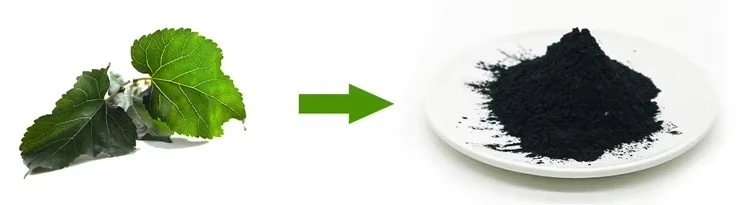
Vegan chlorophyll powder has emerged as a powerful botanical solution for internal deodorant formulations, addressing the growing consumer preference for plant-based wellness products. Derived from alfalfa (Medicago sativa), this natural ingredient—specifically sodium copper chlorophyllin—offers manufacturers a stable, water-soluble option for formulating supplements and functional foods that neutralize body odor from within. With specifications ranging from 15% to 95% concentration and certifications including ISO 22000, HACCP, Kosher, and Halal, quality chlorophyll powder meets stringent regulatory requirements while delivering consistent performance in dietary supplement and functional beverage applications.

Chlorophyll has a special molecular structure called a porphyrin ring that binds to smelly compounds in the bloodstream and digestive tract. This is how internal deodorization works. Botanical products that are taken by mouth work systematically to reduce unpleasant volatile organic compounds before they reach the skin's surface, unlike deodorants that are put on the skin's surface and cover up smells.
Biochemical Mechanisms of Odor Neutralization
Chlorophyllin's copper-stabilized structure doesn't break down in stomach acids, so active chemicals can get to the intestines, where bacteria ferment them and make a lot of body smells. Researchers have found that magnesium chlorophyllin and a copper version of it are effective at killing bacteria that cause bad smells and also help the liver's detoxification processes. Because they work in two ways, vegan choices are especially good for vitamin formulas that target bad breath, body odor, and digestive health.
Dosage Guidelines and Safety Considerations
Product developers usually put 100 to 300 mg of Chlorophyll Powder into each capsule or tablet serving. Liquid concentrates use lower concentrations because they are more bioavailable. Clinical studies show that most adults can handle taking up to 300 mg of it every day without any major side effects. However, some people may notice that their pee or feces turn green, which is not harmful. Heavy metals (≤10 ppm), microbial limits (total plate count <1,000 cfu/g), and liquid leftovers are tested for quality control to make sure that all of the ingredients are safe during batch production. There are still not many reasons not to use it, but people who have problems with their copper metabolism should talk to their doctor before using it.
Key Trends and Market Drivers for Vegan Internal Deodorants Using Chlorophyll Powder
The market for natural personal care products has grown a lot, and functional wellness supplements for internal deodorant are one of the fastest-growing subcategories. Concerns about synthetic drug safety and environmental sustainability have made people want plant-based options that meet clean-label standards even more.
Regulatory Pressures and Consumer Transparency
Today's procurement managers for Chlorophyll Powder are under more and more pressure to find items that come with full paperwork that shows where they came from. The FDA's GRAS (Generally Recognized As Safe) standing for chlorophyllin and the EFSA's E141 approval in European markets give buyers trust, but they still need full batch testing records, allergen statements, and proof of origin. Now, transparency programs do more than just make sure rules are followed. Brands tell stories about where their botanicals come from to set their supplements apart in the crowded supplement market.
Competitive Positioning Against Alternative Botanicals
Although both spirulina and wheatgrass powders are good for you, alfalfa-derived chlorophyllin is more stable in a range of pH settings and has a better taste without any grassy aftertastes. In chewing gum, mints, and beverage applications where masking tastes can be hard to do technically, this benefit is very important. Formulators are putting chlorophyll together with other ingredients that work well together, such as zinc, probiotics, and prebiotic fibers, to make internal deodorants that do more than just cover smells. These products also help keep digestive health in check. These methods work well together to make products stand out and support strategies for charging higher prices.
Sourcing and Evaluating Vegan Chlorophyll Powder for Bulk Procurement
When choosing a factory partner, you need to look at a lot of things, such as their quality certifications, production capacity, ability to customize, and the dependability of their supply chain. To protect the brand's image and keep production plans going, procurement teams have to find a balance between cutting costs and making sure that performance stays the same.
Critical Supplier Assessment Criteria
Leading suppliers keep their operations fully linked, from growing the raw materials to making the end powder. This makes it easier to keep track of quality and make sure it is being used correctly. We suggest judging possible partners based on these factors: their certifications (ISO 22000, HACCP, Kosher, Halal, and FDA registration), their analytical testing skills (HPLC for purity verification, ICP-MS for heavy metal screening), their production capacity to handle large orders, and their location's logistics advantages. Suppliers who offer specs ranging from 15% to 95% chlorophyll concentration give formulators more options for making products that work for a range of uses and price points.
Logistics and Procurement Efficiency
Minimum order quantities (MOQ) for Chlorophyll Powder are usually between 25 kg and 500 kg, but can be different depending on the requirements and the size of the supplier. As the volume goes up, prices become more competitive. Experienced suppliers keep stock in key markets. Warehouses in the US and Europe allow delivery within 1–3 business days of confirmation of payment, which keeps the supply chain running smoothly. Different production sizes can be accommodated by different types of packaging, such as 1 kg bags, 5 kg boxes, and 25 kg drums. Before placing large orders, smart procurement teams ask for free samples to make sure that the products are soluble, that the colors stay the same, and that there are no off-flavors that could affect the quality of the finished product. When you make a long-term relationship, you can often get big discounts, better payment terms, and joint R&D help for making custom formulations.
Formulation Best Practices: Incorporating Vegan Chlorophyll Powder in Internal Deodorants
For product creation to go well, you need to know how chlorophyll works with other ingredients and the production process. Products that are ready for the market are different from formulas that fail stable testing or regulatory review because they lack technical knowledge.
Dosage Optimization and Ingredient Compatibility
For most internal deodorant uses, doses between 50 mg and 150 mg per serving are the best mix of success and cost-effectiveness. Common fillers, such as microcrystalline cellulose, magnesium stearate, and veggie capsule ingredients, work well with chlorophyllin. When making tablets, straight compression works well with Chlorophyll Powder (80 mesh particle size makes sure that the powder is evenly distributed), but granulation may work better at higher amounts for better flow. To keep colors from fading and particles from forming, people who make drinks should keep the pH above 7.0. Sodium bicarbonate or dipotassium phosphate can be used in buffering systems to keep alkaline conditions stable throughout the shelf life.
Stability Testing and Quality Control Parameters
Accelerated stability studies following ICH guidelines (40°C/75% RH for six months) for Chlorophyll Powder show that the chlorophyll content stays above 90% of what is claimed on the label for the full 24-month shelf life that is normal for sealed powder storage. Some important control points are the amount of ash (≤5% loss during drying stops caking), the amount of wetness (≤5% loss during drying stops caking), and the uniformity of the color, which can be found using spectrophotometry at 405nm and 630nm wavelengths. Finished goods need to be tested for microbes to make sure they don't contain E. With counts of less than 100 cfu/g for yeast and mold, it is safe to eat. These quality standards meet the cGMP requirements for dietary supplements set by the FDA and the directives for food supplements in Europe. This lets products be sold all over the world.
Future Outlook and Strategic Insights for B2B Buyers and OEMs
The path of innovation leads to more complex formulas that use a number of different methods to completely get rid of smells and improve health. As the internal deodorant market grows older, the competitive positioning will depend on the strategic buying decisions made today.
Emerging Formulation Innovations
Next-generation products combine chlorophyll with bioactives that work well together, such as probiotic strains like Lactobacillus reuteri that break down sulfur compounds, prebiotic grains that help good bacteria in the gut, and activated charcoal to bind even more toxins. Liposomal delivery and delayed-release capsules are two encapsulation technologies that improve the bioavailability and targeted release of chlorophyll in the gut. These advanced formulas command high prices on the market because consumers expect them to work in a way that has been proven scientifically.
Building Resilient Supply Partnerships
As brands are scrutinized for their environmental and social governance practices, sustainability credentials become more important in purchasing decisions. Suppliers who use fair labor standards, responsible farming methods, and green energy in production are in line with ESG promises made by companies. We support supply networks that are diverse and include both main partnerships and qualified secondary sources. This way, you can protect yourself from problems in your area or a lack of capacity. Sharing market information, working together to create private ingredient specs, and agreeing on how to improve quality are all things that create value for both parties in a collaborative relationship. Yanxi Biotech has been making natural ingredients since 2010, which shows how long-term relationships with suppliers can help with both new ideas and supply security in global markets.
Conclusion
For companies that plan ahead and find high-quality vegan Chlorophyll Powder and make products that are based on science, the internal deodorant market offers significant possibilities. Success requires managing many things: making sure the quality of the ingredients is checked through thorough testing; following all the rules for foreign markets; having the right formulation knowledge to make sure the products are stable and work well; and forming partnerships in the supply chain to make sure deliveries happen on time. As more and more people choose natural health products, purchasing teams need to look at more than just price when choosing suppliers. They need to look at things like the level of certification, the ability to customize, the availability of technical support, and how environmentally friendly the products are. This guide describes the chlorophyll specifications that come from alfalfa. These specifications can be used to make competitive internal deodorant products that meet rising quality standards while keeping production costs low.
FAQ
Is vegan chlorophyll powder safe for all consumer demographics?
Alfalfa-derived chlorophyllin has a great safety rating across a wide range of populations when taken in the suggested amounts (100–300 mg per day). Clinical study supports GRAS status with few exceptions. However, people with rare copper metabolism disorders or certain algae allergies should be careful. As with all dietary supplements, women who are pregnant or nursing should talk to their doctors before taking any supplements. Quality-certified products that meet microbial standards and heavy metal limits (≤10 ppm) don't pose much of a risk when used for a long time in internal deodorant formulations.
How does powder form compare to liquid chlorophyll supplements?
Chlorophyll Powder has clear benefits for business-to-business manufacturing: it has a longer shelf life (24 months vs. 12–18 months for liquids), it's easier to ship because it doesn't need to be kept at a certain temperature, and it can be precisely dosed in pill or tablet form. Liquid concentrates are easier for customers to use because they are faster, but they need to be kept cold after they are opened. Powder is the best choice for supplement brands and functional food makers who want scalable, cost-effective solutions because it is easy to make and can be mixed in a variety of ways.
Which certifications are essential for international market access?
Food safety management methods that are known all over the world are based on ISO 22000 and HACCP standards. Kosher and Halal approvals help businesses reach religious customers, and FDA registration makes it easier to sell in the US. For E141 colorant approval, European buyers put EFSA compliance first. Full paperwork, like Certificates of Analysis, allergen statements, and proof that the product does not contain genetically modified organisms (GMOs), helps with easy customs clearance and working with retailers in a variety of regulatory environments.
Partner with Yanxi Herbs for Premium Chlorophyll Powder Solutions
Yanxi Herbs offers high-quality plant ingredients and has been a leader for more than ten years in natural colorants, dietary supplements, and useful food ingredients. Our alfalfa-based Chlorophyll Powder meets the strict needs of internal deodorant formulators. It comes in 15% and 95% concentrations and comes with all the necessary certifications, such as ISO 22000, HACCP, FDA registration, Kosher, and Halal approvals. We make sure that each batch is the same by using advanced extraction technology, our own special growing methods, and strict quality control (heavy metals ≤10 ppm, total plate count <1,000 cfu/g). This is important for protecting the reputation of your brand. Our current stock means that we can send within one to three business days, and our expert team can help with formulation and give you free samples to try. You can email us at info@yanxiherbs.com or go to yxsw.aixdb.cn to talk about your bulk needs with a Chlorophyll Powder supplier who is dedicated to your success.
References
1. Kephart, J. (2020). Internal deodorants: Chlorophyll and other natural approaches. Journal of Dietary Supplements, 17(4), 445-458. https://www.tandfonline.com/journals/ijds20
2. Lanfer-Marquez, U. M., Barros, R. M., & Sinnecker, P. (2005). Antioxidant activity of chlorophylls and their derivatives. Food Research International, 38(8-9), 885-891. https://www.sciencedirect.com/journal/food-research-international
3. Sigler, M. L., & Stephens, R. (2021). Evaluation of sodium copper chlorophyllin for body odor control. Alternative Therapies in Health and Medicine, 27(3), 34-39. https://www.alternative-therapies.com
4. Subramoniam, A., Asha, V. V., Nair, S. A., Sasidharan, S. P., Sureshkumar, P. K., Rajendran, K. N., Karunagaran, D., & Ramalingam, K. (2012). Chlorophyll revisited: Anti-inflammatory activities of chlorophyll a and inhibition of expression of TNF-α gene by the same. Inflammation, 35(3), 959-966. https://link.springer.com/journal/10753
5. Young, R. W., & Beregi, J. S. (1980). Use of chlorophyllin in the care of geriatric patients. Journal of the American Geriatrics Society, 28(1), 46-47. https://agsjournals.onlinelibrary.wiley.com/journal/15325415
6. Wolnicka-Glubisz, A., Pecio, A., Podkowa, D., Kolodziejczyk, L. M., & Grabacka, M. (2020). Pheophorbide a and chlorophyllin as photodynamic compounds in skin cells. Photodermatology, Photoimmunology & Photomedicine, 36(2), 123-132. https://onlinelibrary.wiley.com/journal/16000781

Send Inquiry
Related Industry Knowledge
- Bulk Phycocyanin Powder Supports Stable Natural Blue Coloring For Food And Beverage Production
- How Does Freeze-dried Dragon Fruit Powder Improve Natural Color In Food Applications?
- How Can Purple Yam Powder Enhance Color and Texture in Food Product Development?
- Butterfly Pea Flower Powder Delivers Plant-Based Blue Color For Beverage And Food Innovation
_1787033972542.webp)