
What Applications Can Fo-Ti Extract Powder Serve in Botanical Extract and Beauty Product Markets?
Sep 28, 2026
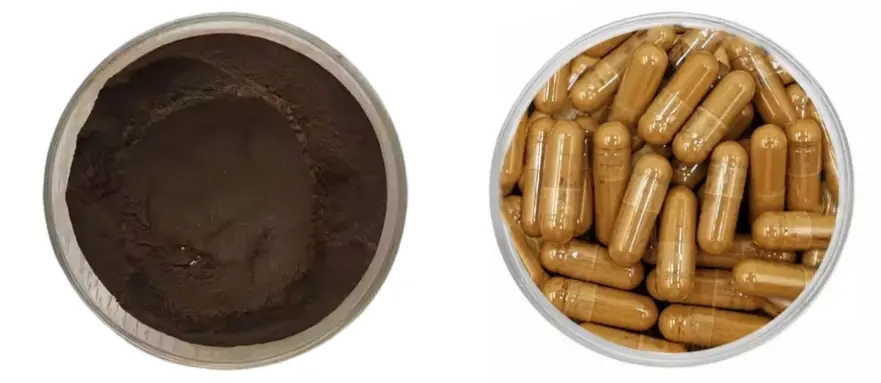
Fo-Ti Extract Powder, derived from the processed roots of Polygonum multiflorum, has earned its place as a functional botanical ingredient across multiple industries. From premium haircare serums to anti-aging supplements and adaptogenic beverages, this concentrated extract addresses real formulation needs. Its bioactive stilbene glycosides and controlled anthraquinone profile make it attractive for R&D teams, purchasing managers, and quality professionals who demand both performance and documented safety in every batch.
Understanding Fo-Ti Extract Powder and Its Key Benefits
Botanical Origin and Extraction Method
In traditional Chinese medicine, it is called He Shou Wu and has been used for hundreds of years to help people live longer and keep their hair healthy. The current extract is made by extracting the dried root with water or ethanol and then spray-drying it to make a uniform powder. This process concentrates the desired compounds while getting rid of unwanted impurities. This gives manufacturers an ingredient that is consistent and can be used.
Key Bioactive Compounds
A main indicator of activity is 2,3,5,4'-tetrahydroxystilbene-2-O-β-D-glucoside, or TSG. It is usually standardized to 1.5%, 2%, or 4% by HPLC. It has been shown that TSG has antioxidant properties that help protect cells from oxidative stress. Along with TSG, emodin and physcion also have biological effects, but their amounts are closely monitored during the healing process to make sure they are safe.
Why Processed Extract Outperforms Raw Powder?
Raw Polygonum multiflorum root has higher amounts of free anthraquinones that have been linked to liver damage in clinical case reports. Free emodin levels are greatly lowered when the traditional way of curing, which involves heating with black bean juice, is mixed with professional extraction. This uniform, processed form gives producers an ingredient that is safer and more reliable than unprocessed root powder. This directly meets the needs of quality managers who want to make sure that standards are met.
Core Applications in Beauty and Botanical Extract Markets
Cosmeceutical Haircare Formulations
He Shou Wu extract is often found in high-end shampoos, skin serums, and leave-in products that help with hair loss and thinning caused by getting older. A study in the journal Evidence-Based Complementary and Alternative Medicine suggests that TSG may help melanogenesis by changing the function of melanocytes. For rinse-off formulas, product makers usually work with concentrations between 0.5% and 2%. For leave-on hair treatments, they can go up to 3% to get the most contact time.
Skincare and Anti-Aging Products
TSG's antioxidant properties in Fo-Ti Extract Powder help repair free radical damage caused by photoaging in face creams, serums, and sheet masks. Spray-dried extracts that are of higher grades dissolve in water above 95%, so they work well in water-based emulsion systems without changing the texture. People who buy clean beauty products find that Polygonum multiflorum extract naturally fits with ingredient stories about plants that are clear on the label and appeal to today's ingredient-savvy customer.
Nutraceuticals and Functional Beverages
TSG is stable at temperatures up to 80°C, which means it can handle normal pasteurization processes without breaking down too much. Because of this, the extract can be used to make adaptogenic tea mixes, health shots, and capsuled supplements for long shelf life. Standardized extracts can give exact doses in pill and tablet forms, while ratio extracts (10:1) can't. This is a big difference when it comes to meeting label claims and regulatory requirements in the US dietary supplement market.
Quality Considerations and Sourcing Strategies for B2B Procurement
It takes more than looking at a price sheet to find a good supplier. Multiple levels of testing are used to figure out the quality of He Shou Wu extract, which has an effect on both safety and the company's standing with regulators in export markets.
These are the main quality standards that procurement teams should check:
- TSG standardization by HPLC: Confirms potency and batch-to-batch consistency; look for certificates showing 1.5%–4% TSG per specification.
- Free emodin content: Must be controlled below 1% in prepared extracts to prevent adverse effects; request validated HPLC data for each lot.
- Heavy metal analysis by ICP-MS: Lead, arsenic, cadmium, and mercury should fall well within ppb-range limits aligned with USP or EP standards.
- Microbiological testing: Total plate count, yeast, mold, E. coli, and Salmonella must conform to USP or EP microbial limits.
- DNA barcoding for species authentication: Prevents substitution with cheaper related species, a known adulteration risk in the botanical raw material trade.
- Solvent residue testing: Mandatory to confirm the absence of hexane, methanol, or other processing solvents in the finished powder.
These standards together show how well a seller can offer a legal ingredient. When purchasing from ISO 22000, HACCP, Kosher, or Halal-certified facilities, purchasing managers can be even more sure that the quality systems are not just self-declared but also checked by outside auditors.
Safe Usage, Dosage, and Side Effects
Recommended Usage Levels by Application
When it comes to food supplements, most clinical studies report daily amounts of Fo-Ti Extract Powder of 500 mg to 1,500 mg of prepared extract. Most topical versions have an active ingredient level between 0.5% and 3%. Beverage uses use between 200 mg and 500 mg per serving, which is safe for consumption while still giving a useful amount.
Documented Side Effects and Contraindications
The main known problem with Polygonum multiflorum is that it can hurt the liver, usually when the plant is used in raw or badly treated form. There was a 2019 systematic review in the journal Phytomedicine that found free anthraquinones to be the most likely cause. Standardized extracts that have been properly treated and have been shown to have a low amount of free emodin have a much lower risk profile. Products should make it clear that people who already have liver problems shouldn't use them.
Regulatory Compliance in the US and EU
There is a law in the US called DSHEA that says He Shou Wu substance can be used in food supplements. The FDA has a voluntary cosmetic registration program that controls cosmetic applications. In the EU, the ingredient can be used in cosmetics as long as it meets the safety standards of the EU Cosmetics Regulation 1223/2009. In both markets, clear labels and Certificates of Analysis from a third party are commonplace.
Market Trends and Future Prospects
Grand View Research says that the global market for botanical extracts was worth about USD 4.1 billion in 2022 and will continue to grow at a CAGR of about 7.5% until 2030. Polygonum multiflorum extract is becoming more popular as a natural alternative in the growing categories of gray hair reversal and scalp health. These categories saw a big rise in consumer interest after several haircare trends went viral.
As a result, ingredient companies are making granules that dissolve in water and forms that are microencapsulated. These styles help leave-on cosmetics last longer and feel better. If B2B buyers make long-term deals with suppliers now, they will be better able to get stable prices and first choice when demand drops.
Conclusion
The extract from He Shou Wu is very helpful in hair care, skin care, supplements, and functional drinks. Its known bioactive profile, along with thorough testing and the right way of handling Fo-Ti Extract Powder, gives formulators a plant-based ingredient that really works. For people who work in procurement, the most important thing is always to find a seller who can regularly deliver on standardization, safety documentation, and legal compliance, not just the best price on the first order.
FAQ
Is Fo-Ti Extract Powder water-soluble for beverage applications?
Yes. Premium spray-dried grades dissolve in water above 95%, so they can be used in functional drinks, health shots, and liquid medicines without settling down.
How do I verify emodin levels are safe in a batch?
Ask for HPLC test results that show prepared extracts have less than 1% free emodin content. Reliable suppliers give out Certificates of Analysis for each lot that include this information along with the TSG potency results.
What is the difference between a 10:1 ratio extract and a standardized extract?
A 10:1 ratio shows how concentrated the raw material is in relation to the finished powder, but it doesn't promise a certain amount of active TSG. A standard extract guarantees a set TSG percentage, which is what formulators need to make sure that products always work the same way and that labels are correct.
What certifications should I require from a supplier?
Look for ISO 22000, HACCP, and GMP certifications at the very least. Kosher and Halal certification makes it easier to sell goods on international markets. Documentation from third-party tests done in approved labs adds another level of proof.
What are typical lead times and minimum order quantities?
For grades that are already in stock, standard lead times from well-known botanical extract manufacturers are 7 to 15 business days. For bulk purchases, the minimum order size is usually at least 1 kg for samples and 25 kg for commercial orders, but this can change from supplier to supplier.
Partner with Yanxi Herbs for Certified He Shou Wu Extract Supply
Since 2010, Yanxi Herbs has been sending botanical ingredients to markets around the world. They have ISO 22000, HACCP, Kosher, and Halal certifications, which means they meet US and international rules. Because we are a reliable source of Fo-Ti Extract Powder, we offer regular grades ranging from 1.5% to 4% TSG, easy customization, and uniform batch quality backed by full documentation. Visit yanxiherbs.com or email info@yanxiherbs.com to ask for samples or talk about prices for large orders.
References
1. Lin, L., et al. "Hepatotoxicity of Polygonum multiflorum Thunb. and Its Mechanisms." Phytomedicine, 2019.
2. Bounda, G. A., & Feng, Y. U. "Review of Clinical Studies of Polygonum multiflorum Thunb. and Its Isolated Bioactive Compounds." Pharmacognosy Research, 2015.
3. Grand View Research. "Botanical Extracts Market Size, Share & Trends Analysis Report." Grand View Research, 2023.
4. Zhang, Y., et al. "Stilbene Glycoside from Polygonum multiflorum: Antioxidant Activity and Melanogenesis." Evidence-Based Complementary and Alternative Medicine, 2017.
5. European Commission. "Regulation (EC) No 1223/2009 on Cosmetic Products." Official Journal of the European Union, 2009.
6. United States Pharmacopeia. "Botanical Dietary Supplements: Quality and Safety Standards." USP-NF, 2022.

Send Inquiry
Related Industry Knowledge
- How Can Purple Yam Powder Enhance Color and Texture in Food Product Development?
- How Can Beet Powder Be Used In Natural Color And Sports Nutrition Product Development?
- Chlorophyll Powder Offers Stable Plant-Based Coloring Options For Food And Beverage Manufacturers
- Freeze-Dried Lemon Powder Helps Brands Develop Natural Citrus Products with Extended Storage Flexibility
_1787033972542.webp)